
IWAREFA/IWAREKE
THE ARRIVAL OF A PRINCE WITH A CROWN FROM ILE – IFE AND THE BIRTH OF IMESI – ILE AS A KINGDOM.
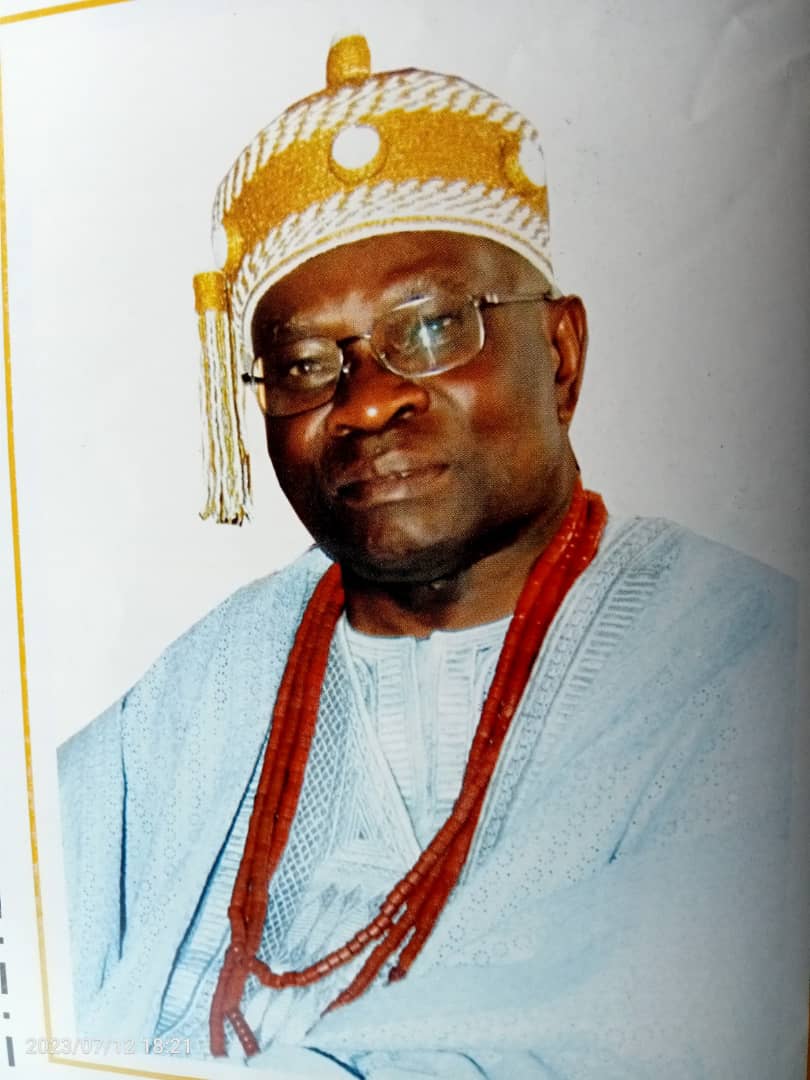
His Royal Majesty, Oba (Engr.) Enoch Ademola Akinyemi, Oyoyo II, Owa-Ooye of Imesi-Ile
Owa-Ooye is the title of the paramount ruler of the town Imesi-Ile. The occupant of the stool is a crown-wearing monarch whose crown can be traced directly to Ile-Ife. The Oba Owa-Ooye is the Chief priest, Chief Justice, Chief diplomat, Chief Executive, commander-in-chief of army and fountain of honour and respect.
Owajalorun (Owa – Ooye Jalorun) also known in history as Owa – Ooyesaga was one of the Olofin’s children that left Ile – Ife to establish his own independent kingdom. Owajalorun, a brother to Owajaka was living in the compound then known as Ooyelagbo (Ooyelagbo was a direct son of Oduduwa) in Ile – Ife and the two brothers were said to have departed Ile – Ife the same day in search of where to establish their own kingdoms but headed along different directions. Owajalorun would finally settle at a place known as Imuroko (Imuroko – Igbara) which as of today is popularly known as “Oko – Ugbara – just about 16km distance from the centre of today’s Imesi – Ile”.
Imuroko was a thick virgin forest that paraded a lot of Iroko tree and it was in this Imuroko that Owajalorun died. Owajalorun had a son named Iroko (a name that obviously must have been informed by the richness of the location with Iroko tree) and he succeeded his father as Owa – Ooye Iroko. Owalosin (Owa – Ooye ni Osin or Owa – Ooye l’Osin i.e. Owa – Ooye is the King, Osin is another name in Yoruba for a King) succeeded Owa – Ooye Iroko his father and it was under the rulership of Owalosin the people out of Imuroko to a place known as Ita – Oko Losi or Ita – Aje(The Arena of Witches). Owalosin had three prominent sons from Ooni – mona his wife, the three sons are Egbeji – aji – b’oogun – s’oro (Agbaogo), Agbaogo was the first son, Oro – a great hunter was the second son and Latakele was the third. These three sons were the royal progenitors of Imesi – Ile, Ilare, and Oke – Irun (a town near Igbajo) respectively.That is the genesis of a cognomen linking these three towns together that goes thus; “Ye saa bi omo meta kaa fi eteeta bi bi j’Ogun? Ooni – mona nukan lo bimo meta kofi eteeta bi j’Ogun, o bi Owagebji, o bi Latakele, o bi Oro ni Ilare ko fi oju apa kan woni roro (who will give birth to three children as warriors? It is only Ooni – mona that gave birth to three children who are all warriors, she gave birth to Owagbeji, she gave birth to Latakele, and she also gave birth to Oro of Ilare Kingdom who beholds a person with peered eye).From Ita – Oko Losi, Owalosin with his crown went forward and led his people to the present day Imesi – Ile. With him and on him the crown arrived from Ile – Ife and into Imesi – Ile and thus turning the place to a kingdom it has since become. As a king who understood the processes of running a kingdom better than the earlier settlers, Owalosin would always consult Ifa before taking any major decision and his journey from Imuroko to Ita – Oko Losi, and finally to Imesi – Ile all could be attributed to outcomes of Ifa divinations. As a king with genuine royal blood running in his veins, his wisdom about running a kingdom, and with the guidance of Ifa Oracle, the three early settlers had no doubt in accepting him as an authentic royal authority from the Yoruba cradle, Ile – Ife. Thus, the dynasty of Owa – Ooye began in Imesi – Ile with Owalosin as the first Oowa – Ooye of Imesi – Ile (his father, Owa – Ooye Iroko and his grandfather, Owaojalorun never ruled as Kings in Imesi – Ile but at Imuroko). Egbeji (Agbaogo), a son with mysterious metaphysical power remained with his father, Owalosin while his two brothers left to establish their independent kingdoms and his father made Egbeji his Kikoosin (the king’s social promoter) thus making Agbaogo the very first Kikoosin in Imesi – Ile kingdom. This is the reason behind Chief Kikoosin being the most important custodian of tradition and the key anchor of proceedings when it comes to the worship of Agbaogo deity. Odunmorun was given a chieftaincy tittle of Odunmorun by Owalosin while Oloja, who history said preferred not to be made a chief was honoured with the role of the Kingdom’s sociocultural Premier. It is in this capacity that Oloja till date remains the custodian of the sacred Gbedu and Egumo drums. Agbaogo would succeed his father as Owa – Ooye, making him the second Owa – Ooye of Imesi – Ile Kingdom and he too was succeeded by his son, Owa – Ooye Aponyin or Owapoyin after Agbaogo’s disappearance into the bowel of the Earth (Agbaogo did not die but disappeared into the bowel of the Earth).
THE THREE RULING HOUSES
Royal Families in Imesi-Ile.
We have 3 distinctive royal families thus:
- Ako Ruling House
- Imose Ruling House
- Ilerio Ruling House.
THE LIST OF OBAS THAT HAVE RULED OVER IMESI – ILE
It must be emphasized that Owajalorun (Owa – Ooye Saga) and his son, Owa – Ooye Imuroko who succeeded him never ruled in Imesi – Ile but at Imuroko. With this fact considered, it could therefore be said that Owalosin who succeeded his father at Imuroko and later led his people into the kingdom that would later become Imesi – Ile was the first Oba to rule Imesi – Ile. The list of Obas are in here given below in order of succession:
1 | Owajalorun (ruled at Imuroko) |
|
|
2 | Owa – Ooye Iroko (imuroko) | succeeded | Owajalorun (his father |
3 | Owalosin (1st Oba in Imesi) | succeeded | Owa – Ooye Iroko (his father) |
4 | Owa – Ooye Agbaogo | succeeded | Owalosin (his father) |
5 | Owa – Ooye Aponyin | succeeded | Owa – Ooye Agbaogo (his father) |
6 | Owa – Ooye Imoni | succeeded | Owa – Ooye Aponyin (his father |
7 | Owa – Ooye Agbonrinjola ofin | succeeded | Owa – Ooye Imoni |
8 | Owa – Ooye Agboreledo | succeeded | Owa – Ooye Agbonrinjola ofin |
9 | Oloja – Oke Orifioye | succeeded | Owa – Ooye Agboreledo |
10 | Oloja – Oke Korodin | succeeded | Oloja – Oke Orifioye |
11 | Oloja – Oke Adelekalu | succeeded | Oloja – Oke Korodin |
12 | Oloja – Oke Eyinyinloja | succeeded | Oloja – Oke Adelekalu |
13 | Oloja – Oke Oluyode | succeeded | Oloja – Oke Eyinyinloja |
14 | Oloja – Oke Oyeunmoni | succeeded | Oloja – Oke Oluyode |
15 | Oloja – Oke Oyoyo | succeeded | Oloja – Oke Oyeunmoni |
16 | Oloja – Oke Akinwumi | succeeded | Oloja – Oke Oyoyo |
17 | Oloja – Oke Adelekan | succeeded | Oloja – Oke Akinwum |
18 | Oloja – Oke Adeleye | succeeded | Oloja – Oke Adelekan |
19 | Oloja – Oke Ajitakoko – Aje | succeeded | Oloja – Oke Adeleye |
20 | Oloja – Oke Adejuwonlo | succeeded | Oloja – Oke Ajitakoko – Aje |
21 | Oloja – Oke Otutubiosun | succeeded | Oloja – Oke Adejuwonlo |
22 | Oloja – Oke Alubiosasa | succeeded | Oloja – Oke Otutubiosun |
23 | Oloja – Oke Adesunloye | succeeded | Oloja – Oke Alubiosasa |
24 | Oloja – Oke Eyebiokin | succeeded | Oloja – Oke Adesunloye |
25 | Oloja – Oke Adeoti | succeeded | Oloja – Oke Eyebiokin |
26 | Oloja – Oke Adebiyi | succeeded | Oloja – Oke Adeoti |
27 | Oloja – Oke Adelakun | succeeded | Oloja – Oke Adebiyi |
28 | Oloja – Oke Akuluju | succeeded | Oloja – Oke Adelakun |
29 | Oloja – Oke Akere – Fasogbera | succeeded | Oloja – Oke Akuluju |
30 | Oloja – Oke Agbagba | succeeded | Oloja – Oke Akere |
31 | Oloja – Oke Ogbeyeye – Ebu | succeeded | Oloja – Oke Agbagba |
32 | Oloja – Oke Aole | succeeded | Oloja – Oke Ogbeyeye – Ebu |
33 | Oloja – Oke Aridan | succeeded | Oloja – Oke Aole |
34 | Oloja – Oke Alosooja Fasanmi | succeeded | Oloja – Oke Aridan |
35 | Oloja – Oke Merun – npe | succeeded | Oloja –Oke Alosooja Fasanm |
36 | Oloja – Oke Arinloye | succeeded | Oloja – Oke Merun – npe |
37 | Oloja – Oke Ajetomobi | succeeded | Oloja – Oke Arinloye |
38 | Oloja – Oke Fabunmi I (Oraralada) | succeeded | Oloja – Oke Ajetomobi |
39 | Oloja – Oke Fabunmi II | succeeded | Oloja – Oke Fabunmi I |
40 | Oloja – Oke Ademikanlu | succeeded | Oloja – Oke Fabunmi II |
41 | Oloja – Oke Ajiboye | succeeded | Oloja – Oke Ademikanlu |
42 | Owa – Ooye Adegbola Fabunmi III | succeeded | Oloja – Oke Ajiboye |
43 | Owa – Ooye Makanjuola | succeeded | Owa – Ooye Fabunmi III |
44 | Owa – Ooye Akinyemi (MHRMLL) | succeeded | Owa – Ooye Makanjuola |
Owa – Ooye – This is the tittle of the Paramount traditional ruler (The Oba) of Imesi – Ile
MHRMLL – May His Royal Majesty Live Long
Out of this list, there exist about 11 Obas whose chronicles of account are completely empty i.e. nothing exists in the records of their reigns over Imesi – Ile. Except their names (which do not even have known dynasty appellations like others), no one knows anything about their reign.
HISTORICAL STATUS OF OWA – OOYE AS A BEADED – CROWNED OBA
The “Ooye” as part of the tittle of Owa of Imesi – Ile is derived from the original two succeeding communities of the ancient Ife Ooye and Ooyelagbo. The word “Ooye” is as old as the ancient city of Ife itself. “Owa” is a tittle common to most of the Ife princes who left Ife ancient city to found their own Kingdoms. So any “Owa” is an “Elu” (meaning beaded crown – wearing Oba from the very source – Ife). The tittle “Owa – Ooye” is a compound word describing the holder as a prince from the ancient city who left to found his own kingdom.
Owa – Ooye of Imesi – Ile though presently ranked number four as a first class Oba in the hierarchy of council of traditional rulers in Osun state, history is very clear on the age and status of Owa – Ooye in the council of Obas. Owa – Ooye appeared on number six in the whole of old Oyo state on the hierarchy of council of Obas in the Gazette of early 80’s in Oyo State.
OWA – OOYE AND OWA – OBOKUN ARE TWO BROTHERS OF THE SAME FATHER
The Owa – Obokun of Ilesha and Owa – Ooye of Imesi – Ile are both princes and royal brothers from Ile – Ife. The relationship between them was so cordial in the past that whenever the Owa – Ooye was passing through Ilesa to worship at the shrines of their father in Ife, Owa – Ooye would stop and pass the night at Ilesa. Then, to facilitate his reception and other protocols, Owa – Ooye installed his own son, Lukan as the first Lejoka of Ilesa. Imesi – Ile sustained the privilege of filling the vacancy until modern times when the chieftaincy position transformed to a military one and thus forbidden from being bestowed on the outsider.
The fact of history is very clear as to the age of present Ilesa, the town came into being at the middle of year fifteen hundred (1500 AD – 1522 AD precisely), at least more than 200 years after Imesi – Ile had been ruled by Owa – Ooye.
The present Ilesa, according to valid historical account was founded by Owa – Obokun, Owaluse in this year 1522 AD. And if the assertion that a town cannot be older than its founder is anything to go by, Owa – Obokun of Ilesa is a younger brother to Owa – Ooye of Imesi – Ile and so does, the present Ilesa to Imesi – Ile town.
In 1931, the list of Crown – bearing Obas was published, covering what is now Lagos, Ogun, Oyo, Osun, Ondo, Edo, Ekiti, Delta and Kwara States, including parts of Benin Republic, only two Obas from the entire Ijesa – landfeatured on the list, Olojaoke (Owa – Ooye) of Imesi – Ile and Owa – Obokun of Ilesa. History also had it that in the Peace conference of 1903 at Lagos which was called by the then Governor General, Olojaoke Fabunmi 1 was the only Oba from the entire Ijesa land invited to the meeting. Again, in 1925 when Prince Edward, The then Prince of Wales (later King Edward VIII of Britain) visited Lagos, Olojaoke Ademikanlu was one of the eminent Yoruba Obas and the only Oba from Ijesa – land invited to the occasion.
The bottom line in all of these is that, if Owa – Obokun of Ilesa is ranked over and above Owa – Ooye of Imesi – Ile, it certainly will not be because of Owa – Obokun is historically superior, no, it will only be out of demographic, political, social, and economic considerations. Historically, Owa – Ooye is superior and that is an undeniable fact.
IWAREFA OR IWAREKE (THE SIX KING MAKERS)
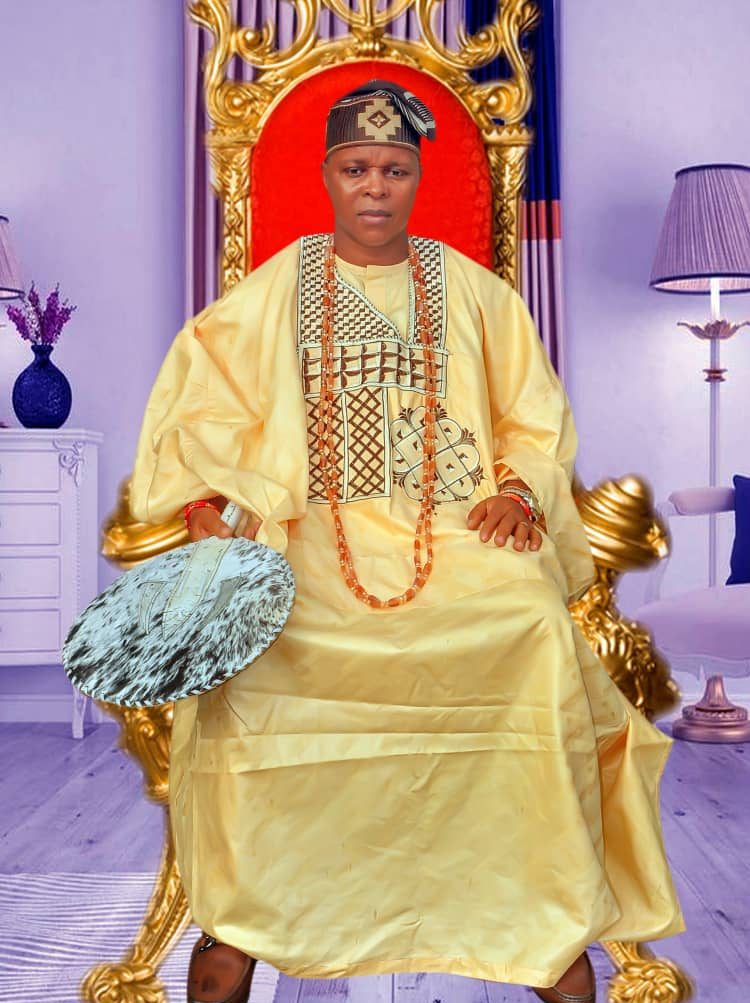
Obaala of Imesi-Ile : The head of Iwarefa and the Prime Minister of the Owa-Ooye in Council
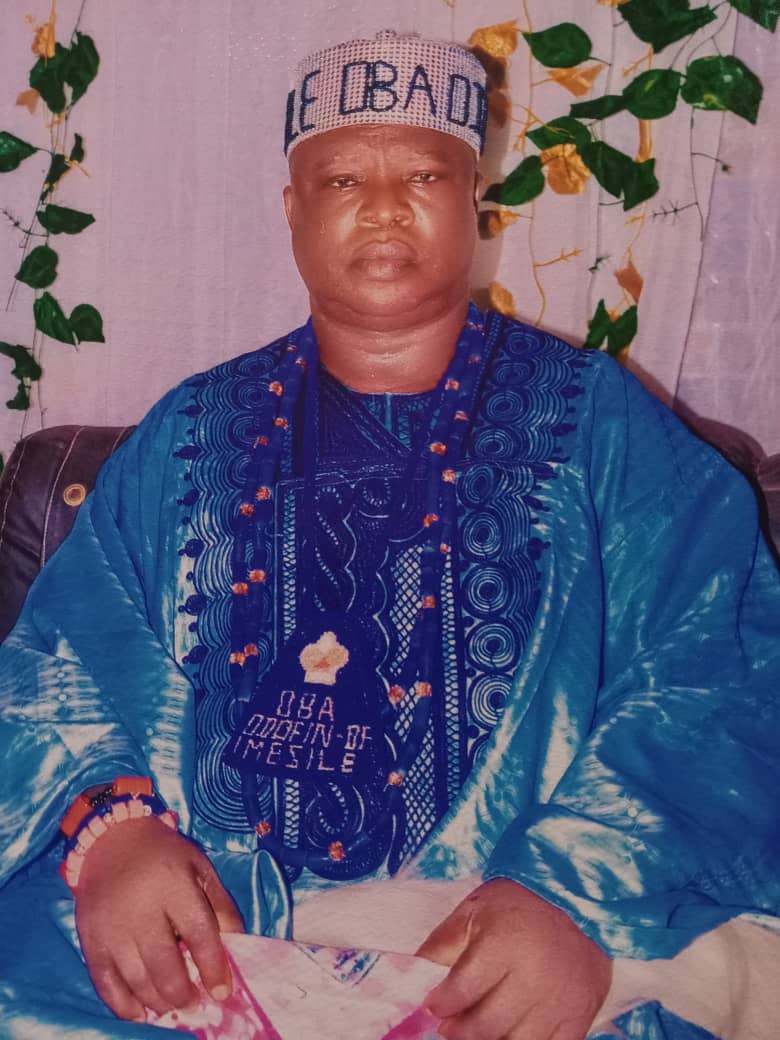
Odofin of Imesi-Ile

Ejemu of Imesi-Ile
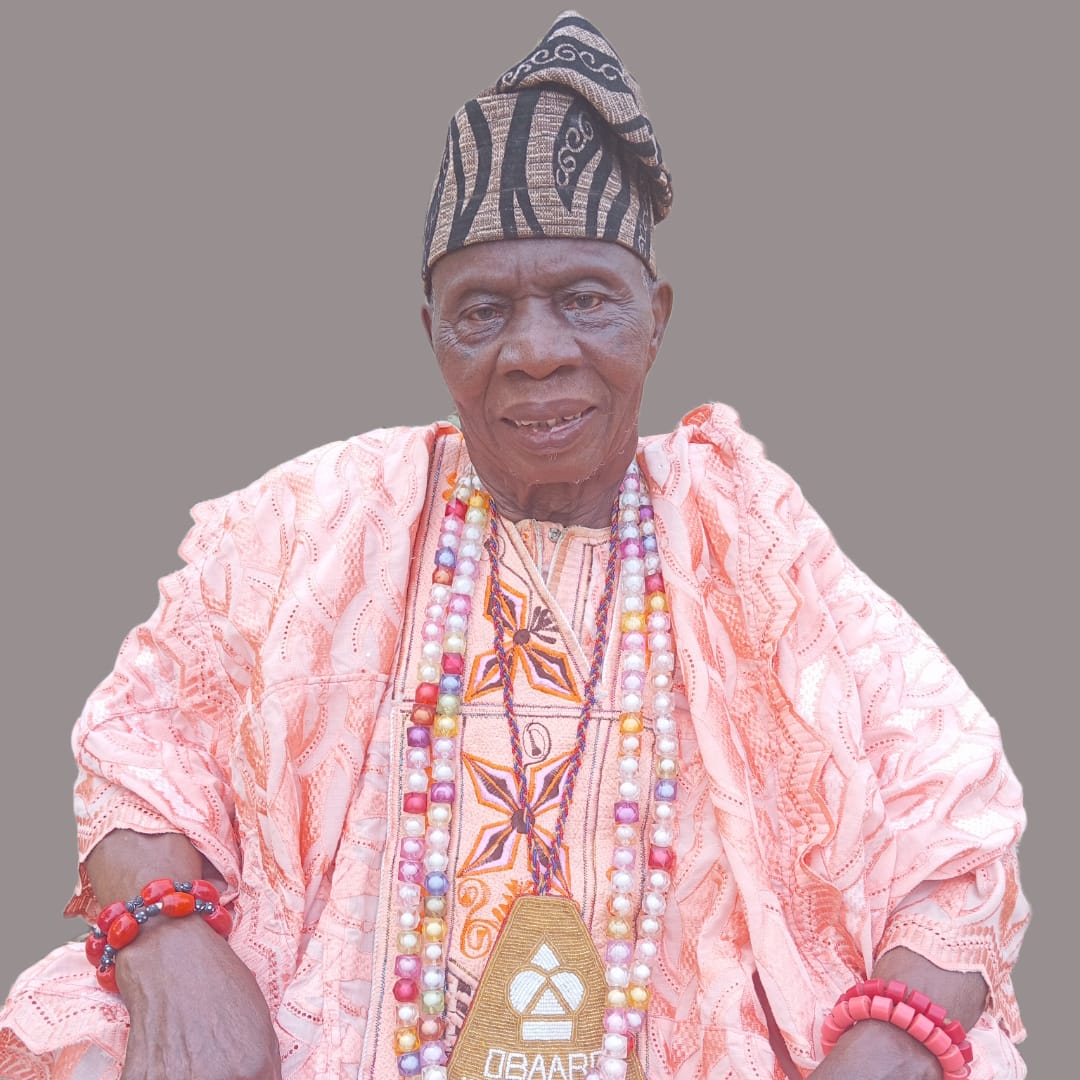
The Aro of Imesi-Ile.

The Osolo of Imesi Ile
Historical evidences show that the number of king makers in Imesi – Ile have always been six and at no time whatsoever has the number exceeded six, these six kingmakers are referred to as IWAREFA or IWAREKE. The six kingmakers are listed as follows:
- Obaala: The head of Iwarefa and the Prime Minister of the Owa – Ooye in council
- Odofin
- Ejemu
- Aro
- Osolo
- Inurin
All these six chieftaincy tittles are for male adults and are all strictly restricted to specific families within Imesi – Ile. Only these families are eligible to field candidates for any of the chieftaincy offices whenever there is existence of vacancy.
The Royal Chamber of Owa – Ooye and the Sitting Architecture
Traditionally and from the time immemorial, the Palace of Owa – Ooye has been made up of two cogent sections; the royal court or the royal assembly and the official residence of the Oba. The royal court is within the palace is where the Owa – Ooye and his entire cabinet (Owa – Ooye in council) sit, this place within the palace is known as Enuwa (Enu Owa). The exact spot where the Oba sits is called Ojupo (Oju Opo), it is a strategic position that defines the royal symbol within Enuwa and affords the Owa – Ooye a vintage view of the entire royal court during royal session which takes place every market day in front of the palace (Oba’s market – Oja Oba).At the right hand of the Owa – Ooye is seated Saloro, the head of Ojua section. while at the left-hand side of the Owa – Ooye is the Prime Minister – Obaala (Oisa-Ora).
On the same side with Obaala are seated the other members of Iwerefa in order of their seniority. On the Saloro side, the next chief is Odole followed by Sukoti, Sapaye, and Ejemuwa (Ojua chiefs). Next to them on the same side are the Ijuas, headed by Lejua, followed by Legiri.
The Royal Chiefs (Omirangunsin, Erunlua, Lerio, Obajinmo, Kikoosin, Odofin-Ọmọ) sit next to the IAREKEs after all IAREKEs have taken their seats. On the side of the Obaala also after the other members of Iwarefa,are seated the Isogbas (The women chiefs) starting from Isabinrin (Orisa Obinrin – the leader of women folk within the palace) to Yeye Sukoti. The Emeses (royal court aids), the princes and princesses sit at the foot of Kabiyesi.
Next to Isogbas are Isogan section, headed by Lesogan followed by Oosinkin, Lejoka and others
Just like the Ojopo, the official residence of the Owa – Ooye which is made up of 8 quarters is a sacred place, perhaps with the quarters having varying degrees of sacredness, the 8 quarters within the official residence are:
- Ode Aara – This is the place in front of the official residence where chieftaincy tittles are bestowed on the persons so chosen.
- Ode Ifa – This the official quarters for the Ifa adherents or worshippers or the disciples of Orunmila.
- Bara – this is the residential apartment of the Owa – Ooye’s wives, the aids, servants, slaves, and other lieutenants.
- Imagbaogo – This is the sacred tomb of Egbeji – Ajiboogunsoro (Agbaogo) who was the fouth Oba and the second Oba to rule Imesi – Ile. This place also serves as the dressing place for Oba’s masquerade as well as resting place for powerful masquerades like Gbado – bi – ogan.
- The Sacred Room – The place where Agbaogo’s effigy and the crown are being kept
- The Sacred Tombs – The portion of the official residence that serves as the final resting place for the Oba upon joining his ancestors
- The Sacred Sport – This is the sacred portion within the official residence where the Owa – Ooye stands when he decides to be in the spirit and speaks not just as a man but as an Oba and the spiritual entity, a deity of some sort that he is. It is a place where the Owa – Ooye invokes and revokes, a place where he speaks in the very tongue only the spirit and his ancestors understand, a place where he pronounces blessing and curses upon those who deserve it, a place where the Oba turns from an ordinary man to a divinity momentarily. It is a place where the Owa – Ooye demonstrates the power that makes him an Oba over the kingdom, a place to behold the Owa – Ooye if you do not understand the popular message of the king’s drummer that reads “Eru Oba Ni Mo Ba, Oba To” (It is the Oba I fear, to him alone I submit). It is definitely the most sacred place within the official residence of Owa – Ooye, a place that has been used for the good or otherwise by the past Obas.
- Iparas – These are the shrines of some deities like Ooni Mona, Ose, Sango Olukoso, and so on.