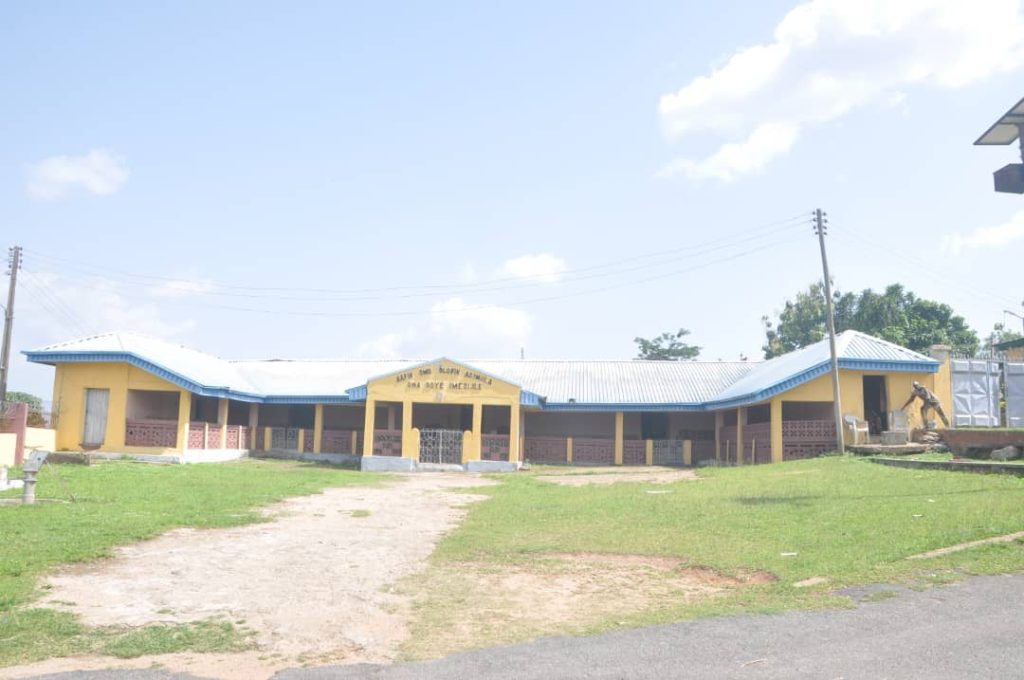
HISTORICAL RESOURCES

THE THREE EARLIEST SETTLERS AND THEIR SETTLEMENTS

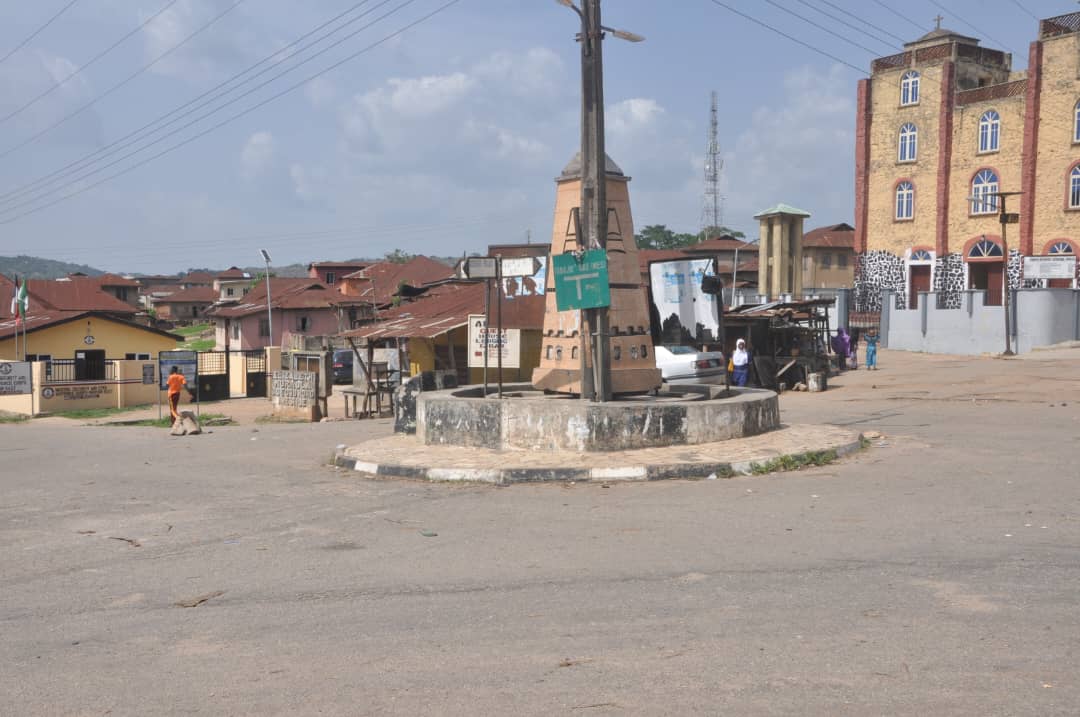
Oloja, Odunmorun and Eye were the three earliest settlers in the virgin forest that would later become Imesi – Ile Kingdom. Where Oloja settled on arrival at Imesi – Ile (though not yet a kingdom and without the name Imesi – Ile at this time) is known as Ode – Ubi now linguistically corrupted as Odobi. Odunmorun, a half – brother to Oloja came and Oloja his host asked him to settle at the portion of land located at the bottom section of his; Odunmorun t’edo si ibi Odo ese mi (Odunmorun settle at the bottom section of my location), the place would later be known as Odo – Ese. Eye settled on the portion of land situated a little away from the two earliest brothers and his own quarter was known as Ode – Eye which would later be known as Odo – Uwo and now corrupted to Odowo. Thus, Imesi – Ile at the very beginning consisted of just three quarters when Owalosin, the crowned Prince who had been ruling at Imuroko arrived to unify the three quarters and made a Kingdom out of it.

THE ETYMOLOGY OF THE NAME IMESIN (IMESI)

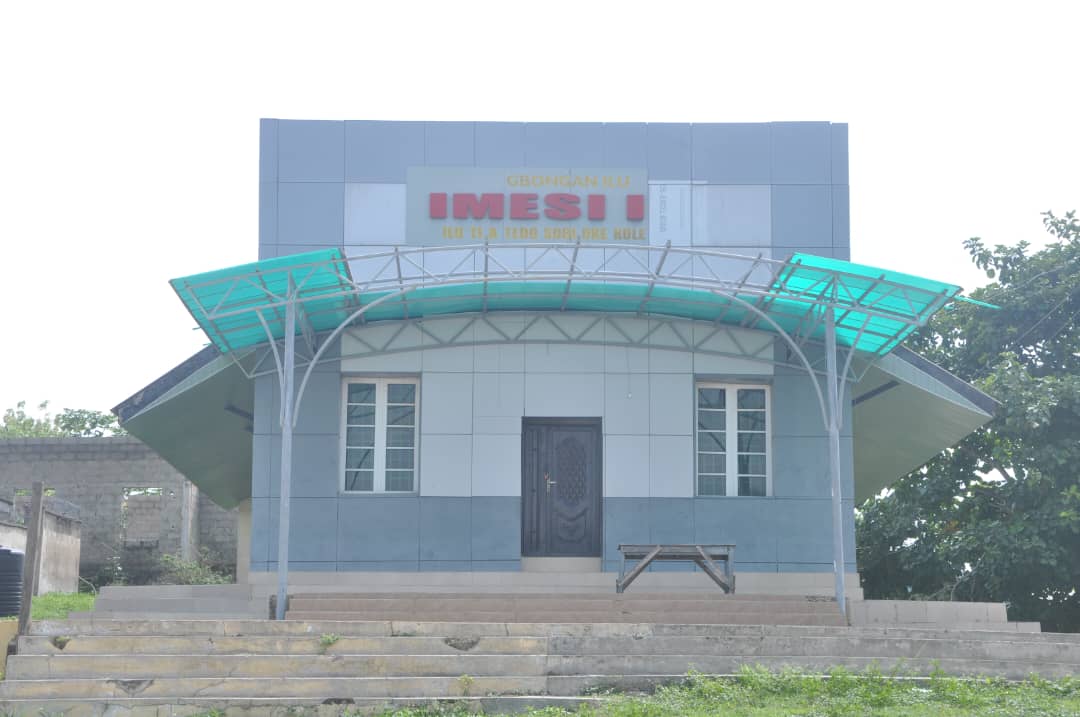
The language of history is the history of language, thus, appellations and nomenclatures provide innumerable insights into the past (Prince James Arinloye of blessed memory). Owalosin with his people left Imuroko (Oko – Ugbara) to settle first at Oko – Losi and later moved up – north to finally settle atImogun, a section along Odobi quarters. His descendants were later to be known as Imose (a name derived from the lavish presence of Ose tree at Imogun where Owalosin descendants settled on arrival) and the new settlement Imesi. Thus, the linguistic similarity among Imuroko, Imose, Imogun, Imota, Imagbaogo and Imesin could not have been a mere coincidence, it definitely must be nomenclatorial semblance occasioned from historical interconnectivity and relationship among the nomenclatures. Owalosin and his entourage, according to historical account sourced from Ifa Oracle, arrived at Imesi physically exhausted having scaled several hills and mountains and with many rivers crossed and valleys passed in their long journey to the town. Soaked with sweat, exhausted, and worn out, the monarch and his entourage declared on arrival that their new settlement was not an easy place to access, a place where the lazy ones will suffer serious humiliation before reaching it – a place where one comes and be humbled (ibi ti eeyan a wa lati wa “Mo Esin Ara Re or Ibi Imo Esin Ara Eni”. Imo – Esin)is thus the etymological origin of Imesin, Imesin would later lose letter ‘n’ to linguistic manipulation to become Imesi and today, the ancient town is known throughout the world as Imesi – Ile.
HOW OLD IS IMESI – ILE?

Different historians, scholars, and researchers, particularly of Imesi – Ile origin have come up with different accounts on the time the ancient town came into being. A scholar of note cum researcher, Pa Olabisi Adekanla in his book on Imesi – Ile submitted the town was established around 10th to 11th century, a submission that was based on empirical facts and thus suggesting that Imesi – Ile is about a thousand years old.Some other scholars of repute categorically gave the year of establishment of the town as circa 1096 while some submitted that the town was established in circa 1296, a difference of 200 years between these two latter accounts on the age of Imesi – Ile. Meanwhile, late Prince James Arinloye in his book: Imesi – Ile, The Ancient City of the Ekitiparapos came up with a formula for estimating the age of Imesi – Ile. Prince James Arinloye in his estimation of Imesi – Ile age made use of the durations of reign of each of the last five monarchs that ruled the town consecutively except the reigning one (May his reign be long) and two others in – between whose reigns were unusually too short and thus negligible. The five monarchs and their years of reign are given as:

1. Ajetomobi 1882 – 1902 - 20 years
2. Ademikanlu 1904 – 1928 - 24 years
3. Ajiboye 1929 – 1965 - 36 years
4. Fabunmi III 1967 – 1983 - 15 years
5. Makanjuola 1985 – 2003 - 18 years

Now here is it according to Prince James Arinloye’s formula. There are five Kings whose total number of years spent on the thrown amounted to 114 years, translating to an average of 23 years approximately per an Oba. In – between these five listed Obas are two unconsidered ones (Fabunmi I and his son, Fabunmi II, both reigned between 1902 – 1904) that reigned for a relatively too short period (the two Obas combined, reigned for less than two years) and thus ignored in the calculations.So far and apart from the reigning Oba, a total of forty – three Obas are believed to have ruled the town. And apart from these seven Obas (Ajetomobi, Ademikanlu, Ajiboye, Fabunmi III, Makanjuola, then Fabunmi I and Fabunmi II), there were also Merunpe and his successor, Arinloye who ruled the town during the period of serious crisis and war and whose reign too were considerably too short. Now, taken that the average years of reign of an Oba in Imesi – Ile is 23 years whereby forty – three Obas have ruled the town so far, if the four Obas who ruled for too short a time were not to be considered, then thirty – nine Obas would have ruled the town, with each Oba spending an average of 23 years, the 39 Obas would have reigned for 897 years (39 × 23 years). When about 10 years that were spent by the four unlisted Obas is added to 897 years, we have about 907 years (with the consideration of the incumbent Oba, we have about 927 years). A 927 years old settlement in year 2025 must have been established in the early of circa 1100 AD. Meanwhile, one further variable Prince James Arinloye took into consideration in this method is the fact that no one can authoritatively ascertain that all these 43 Obas considered actually ruled Imesi – Ile. Among the 43 Obas being paraded to have reigned over Imesi – Ile are about 11that nothing is known about their reign. If this 11 Obas are considered as fictitious and thus deducted from the 43 Obas that were considered in the earlier calculation, we obtain 736 years (756years when the incumbent is factored). A 756 years old settlement must have come into being in circa 1290 AD.
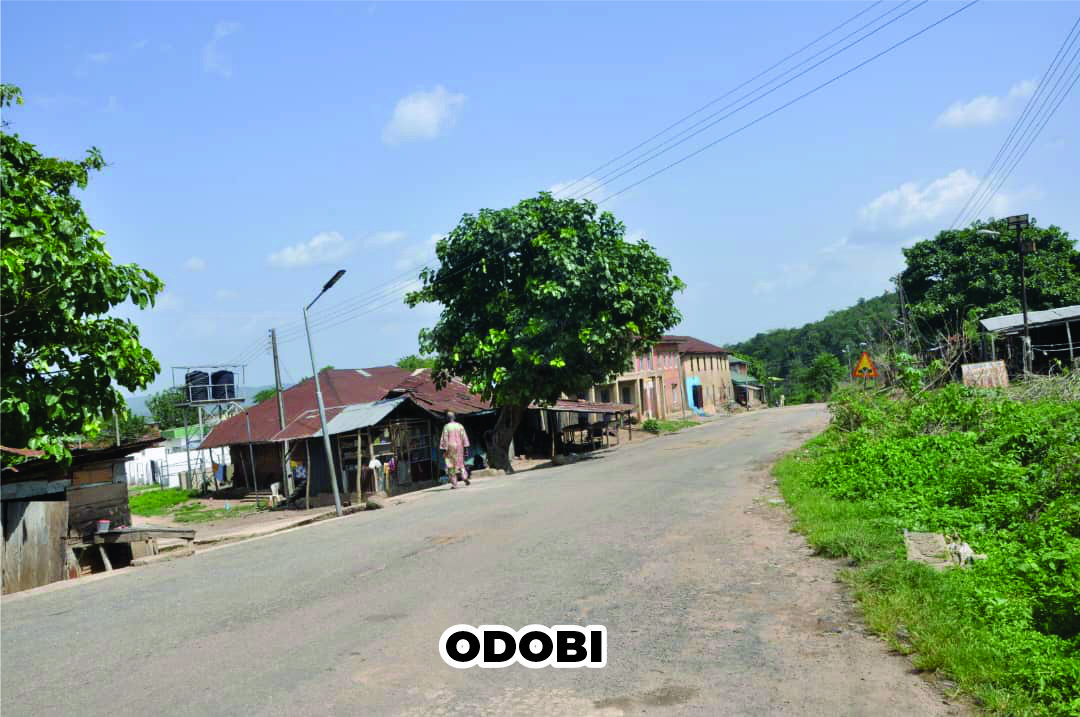
THE NINE (9) PRINCIPAL STREETS IN IMESI – ILE

1. ODO – UBI

ODO – UBI (Pronounced as Odobi):
According to historical record, Odo – Ubi is the first street in the Kingdom of Imesi – Ile. Ubi means the ancestral home in Ijesa typical dialect. “Mo mi re ule mi l’Ubi”. Odobi is the ancestral home of most of the earliest settlers, the seat of the palace, and the centre of gravity of Imesi – Ile town as in the street are found the Mogunojas and the Ekis, the Olojas, the Owajaloruns, and the Aworo – Ooni (the chief priest of Ooni Mona deity – Ooni Mona is the mother of Agbaogo). Odo in Yoruba means River or downhill and thus the presence of Rivers and springs like Arioyun, Ijagba, and now Lake Aponyin (possibly a large river in the distant past) offers some clues as to the origin of “Odo” in the name Odo – Ubi. Aponyin and Arioyun are of certain spiritual significance to Imesi – Ile.
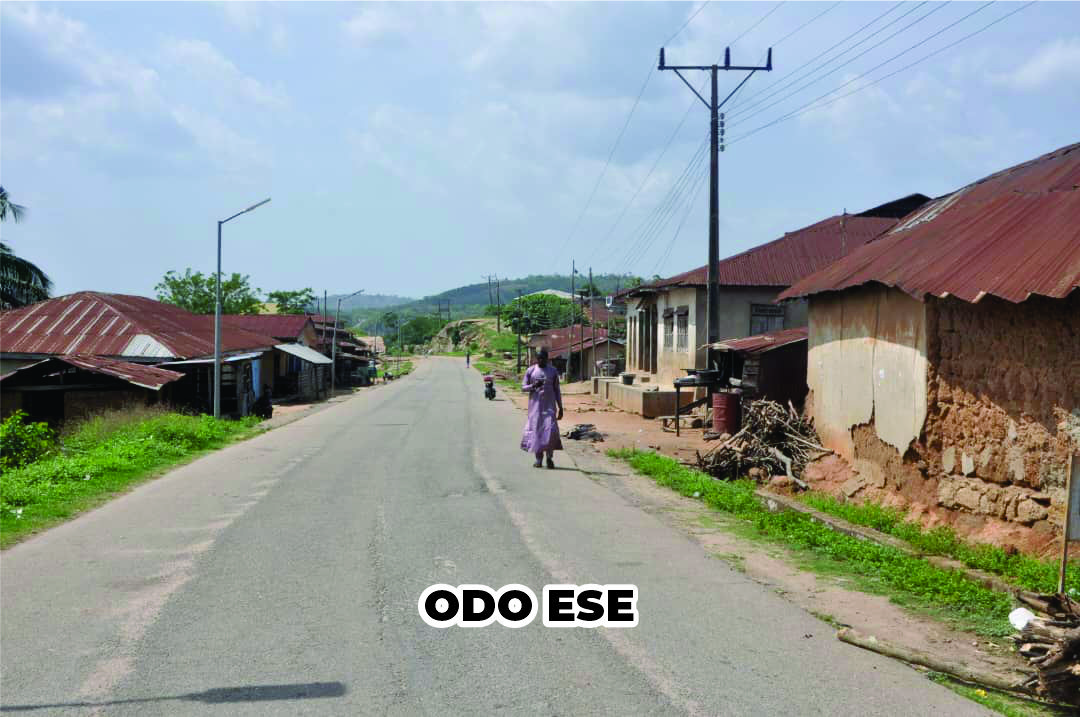
2. ODO – ESE

Odo – Ese:
Odunmorun, the half – brother of Oloja settled at Odo – Ese upon arrival from Ondo. The street is located at the foot or the bottom section and opposite direction to the palace square.Odo – Ese too has rivers such as Asasa and Ugbeeru with Ugbeeru being of spiritual significance too to the kingdom. The Owa – Ooye is forbidden from visiting Odo – Ese, the popular saying that “Olojaoke / Owa – Ooye is looking at Odo – Ese from afar” (Olojaoke/ Owa – Ooye nwo Odo – Ese roro) expressly cements this belief
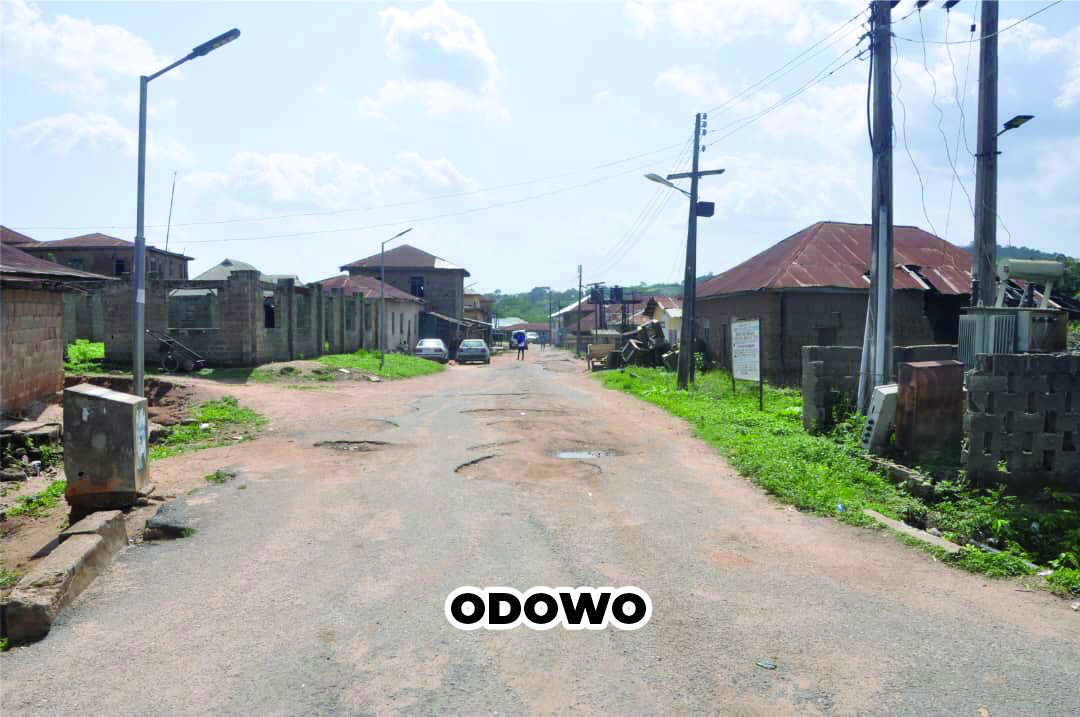
3. ODE - UWO

Ode – Uwo (Odoowo):
Odoowo got its name from river Uwo (Iwo). The river got the name Iwo from the parrots (Odidere) in the area. As it is said in Yoruba; “Iwo is the abode of parrots (Iwo ni ile odidere)”. Unlike Aponyin, Ugbeeru, Usun, and Arioyun,river Iwo is of no spiritual significance to the palace of Owa – Ooye
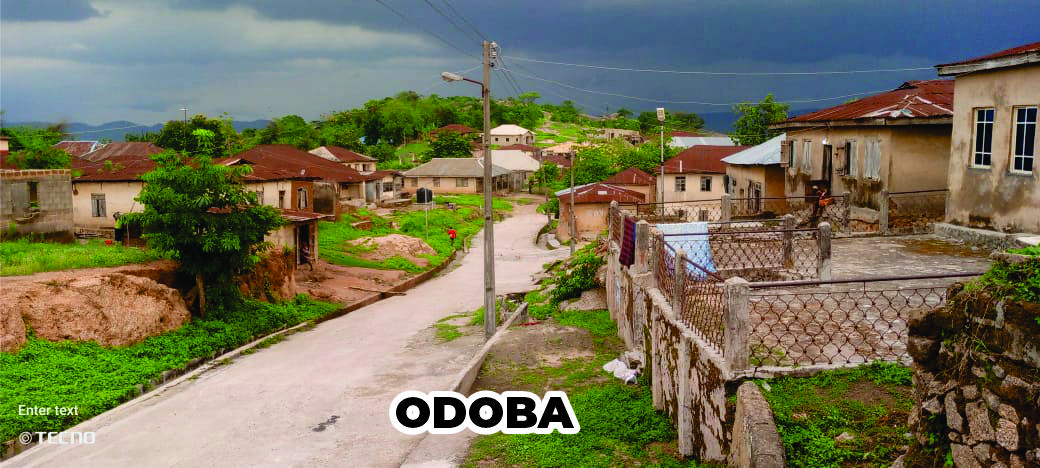
4. ODO - OBA

Odo – Oba (Odooba):
Odo – Obais the home of family units from Ile – Ife such as Ojan, Sero, Saodeetc. This street like others earlier discussed too has a river called River Usun.
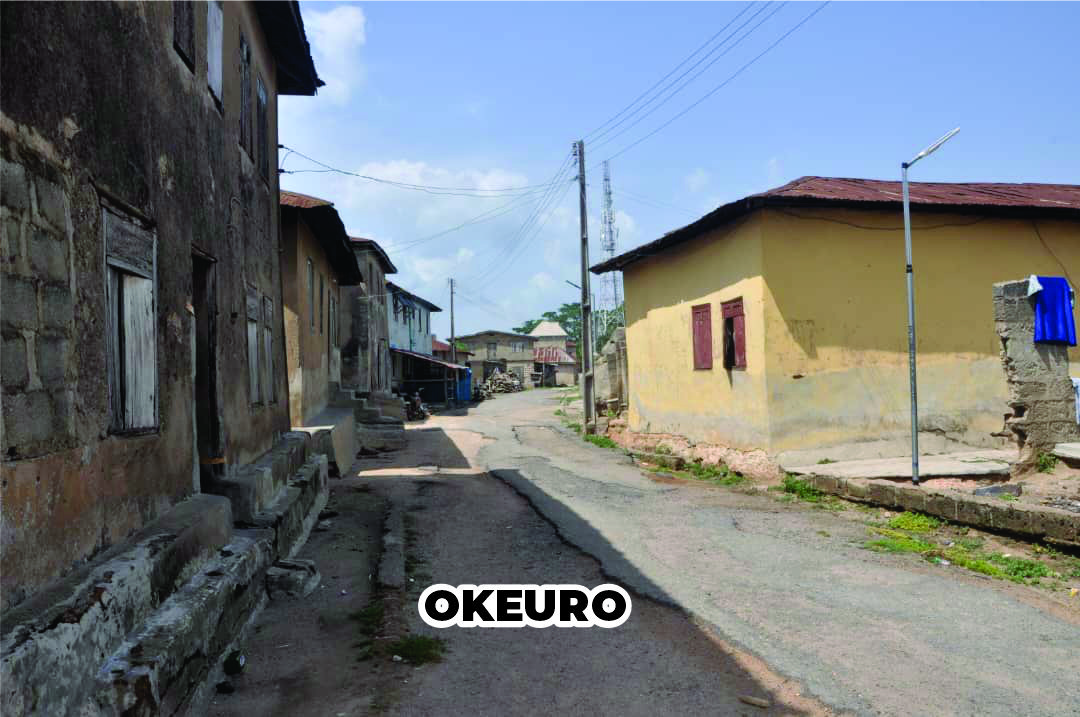
5. OKE - UROMIRO

Oke – Uromiro (Oke – Uro):
Oke in Yoruba language means atop or uphill, water does not flow uphill and thus going by the name “Oke”, thus the absence of river in Oke – Uro can be understood. Uromiro in the other hand is typical Imesi – Ile dialect that means Imaginative thinking, fantasizing or mere dreaming. Oke – Uro being a place where once existed plenty of “Odan” trees, it was an ideal place for relaxation after work, imaginative thinking or fantasizing. This is where the place got its name as Oke – Uromuro.
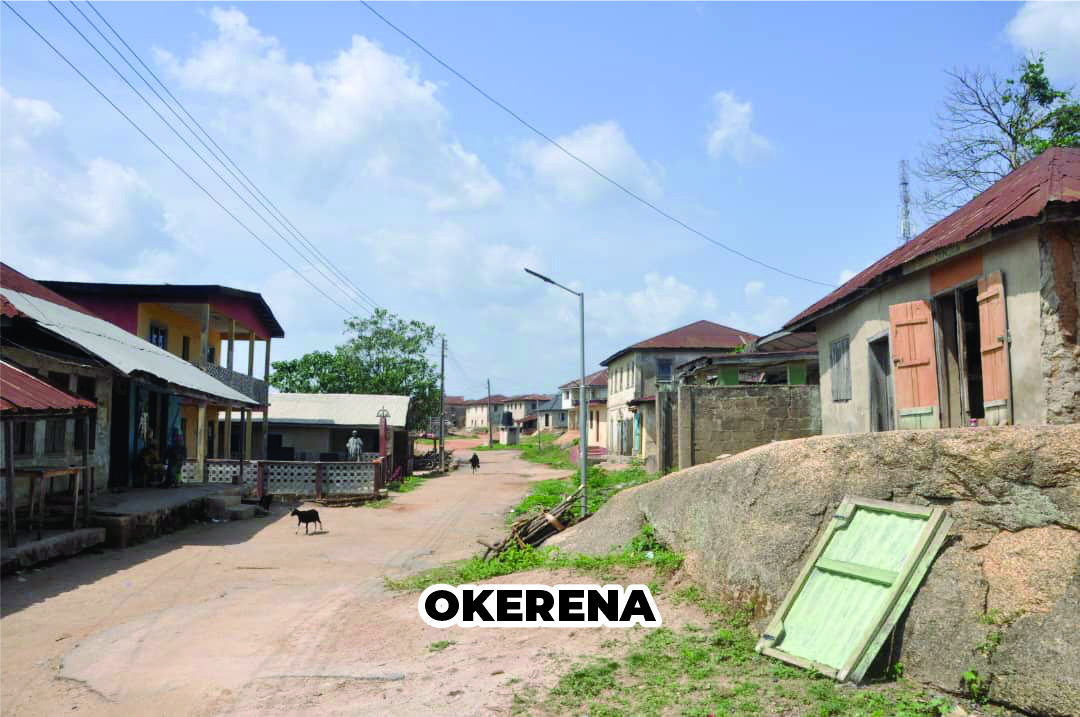
6. OKE-MOPE ARENA

Oke – Mope Arena (Oke – Arena though pronounced as Okerena):
Just as this name implies like Oke – Uromuro, Okerena too has no river of any substantial reckoning within its axis. The place used to belong to the Odunmoruns who were collectively known as “Mope – Arenas but was given to the Obe, Aba, Kuku, Olomu, and the Otuoko. The arena where these settlers used to meet with the odunmorun, their host benefactor was known as Okerena and the name has since remained.

7. ITINWO

In Tin Wo S’ibeeni Ran (Itinwo pronounced as Itino): In Tin Wo S’ibeeni Ran is a statement derived from typical Imesi – Ile dialect and it literarily means “just settle in there in the interim”. Historical account had it that when the “Alaras” arrived from Aramoko – Ekiti,they were settled in a thick forest popularly referred to as Ile – Igbo – gba – Erin (Ile – gbogberin), a namethat also has its origin in typical Imesi – Ile dialect which translates to mean,“a place inhabited by elephants”. This place, according to history was said to be heavily infested by other wild and dangerous animals. The new settlers – the Alaras, not comfortable with the environment went to the palace and requested for a possible relocation from the area. The palace’s response to their request was “In Tin Wo S’ibeeni Ran (just settle in there in the interim)”. The name Itinwo thus came into being and the street along this area has been known as same ever since.
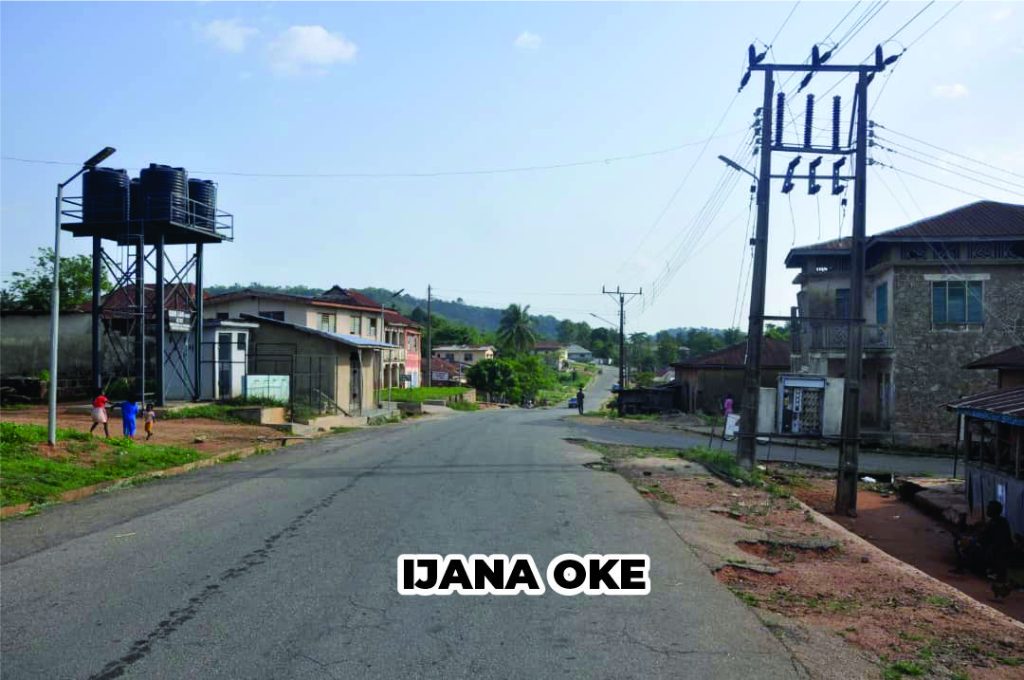
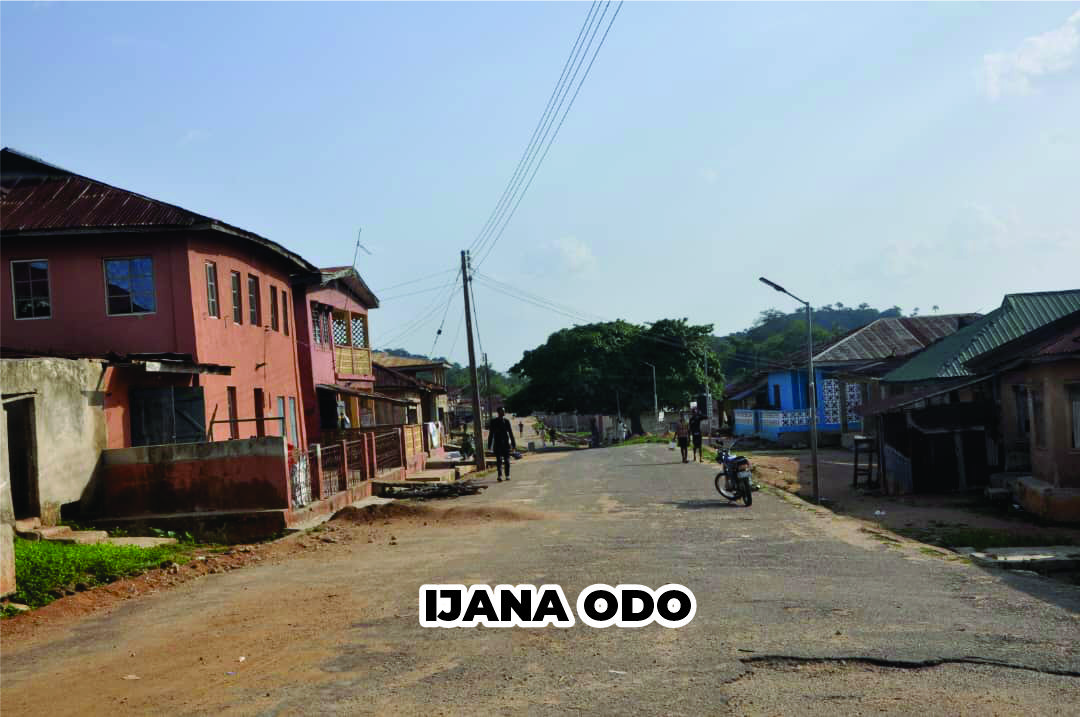
8&9. UJA-ONA

Uja – Ona (Ujana now pronounced as Ijana): Uja – Ona literarily means ‘conflict over channel of passage”. According to historical account, upon the arrival of the Akegun family under the leadership of Ologunsoro, they settled very close to the Alaras at Itinwo. Akegun and Alara were large families and fierce challenge of insufficient space erupted at Itinwo thus leading to incessant conflicts over channel of passage (Uja – Ona) between the camps of the two formidable settlers. This led to the necessity of for relocation of the families to the extreme end of the axis to create more space for settlement; let us move towards the extreme end and create more space for us to avoid conflicts over channel of passage (in je ka sun siwaju tori uja ona).Ijana has two sections, Ijana – Oke and Ijana – Odo, both located in the northern and southern parts of the axis respectively

TABLE OF DEMOGRAPHIC ANALYSIS OF IMESI – ILE ON THE BASIS OF PRINCIPAL STREETS

S/N

SREETS

SOME OF THE PROMINENT COMPOUNDS

1

IJANA – ODO

Adigbo, Arode, Asaba, Olowu – Odo, Osolo, Tedimole, Lejua – Ata etc.

2

IJANA – OKE

Abiri, Akegun, Alagbo, Aro – Faloore, Arapate, Jadumesi, Lojaoke, Lomo – ofe, Luke, Mogunoja, Olojudo, Oege, Olowu – Oke etc.

3

ITIWO

Ajana, Aro, Dubiobi, Gbogberin, Keregbe – Uja, Obaloja, Obegirimo, Olowu – Arigbede, Opeforisowo, Olotin, etc.

4

ODOOBA

Iroko, Mosi, Odio, Ojan, Osun, Sabi, Saode, Sero.

5

ODOOBI

Asao, Aworo – Ooni, Aramigan (Aragan), Lerio – Imota, Obiun, Oro, Odole – Awoyinfa, Orisogodo, Okile etc.

6

ODOESE

Fabode, Gbolaasa, Lerio – Olowuro, Obe, Onire, Sagunre, Odunmorun etc.

7

ODOWO

Adeusi, Agbelu, Ajo, Ale, Asaogbaja, Ejemu, Ejemu – Uwa,

 Koro-bi-aja, Lade, Oloro, Oosinkin, Osun, Odofin, etc.

8

OKE – URO

Lejua, Okun, Sukoti etc.

9

OKERENA

Aba, Asigi, Kiku, Olomu, Otuoko etc.

IMESI – ILE AS A KINGDOM

Imesi is a kingdom that comprises of four ancient brother towns, they are:

  1. Imesi – Ile (Osun State, Southwestern Nigeria)
  2. Okemesi – Ekiti (Ekiti State, Southwestern Nigeria)
  3. Imesi – Ekiti (Ekiti State, Southwestern Nigeria)
  4. Imasayi (Ogun State, Southwestern Nigeria)

Imesi – Ile is the ancestral home of the kingdom. These four ancient brother towns have common ancestry and are therefore connected to one another by the same umbilical cord. The history of Imesi Kingdom has been traced to the migrations from Ile – Ife. Virtually all Yorubas point to Ile – Ife as their ancestral home and thus, Imesi Kingdom cannot be an exception and that is why Imesi – Ile remains a direct progeny of Oduduwa from Ile – Ife.

THE TABLE OF ETHNIC COMPOSITION OF PEOPLE OF IMESI – ILE TOWN

S/N

SOURCES OF MIGRATION TO IMESI – ILE

COMPOUND IN IMESI – ILE

1

Ajase – Ipo

Asao, Obe

2

Akoko

Olowu – Odo, Olowu – Oke, Olowu – Arigbede, Odofin

3

Aramoko

Aro, Dubiobi, Gbogberin, Keregbe – Uja

4

Badagry

Ajo

5

Edemosi

Iroko, Mosi, Odio, Asaogbaja, Okun, Oisaba

6

Efon – Alaaye

Akegun

7

Ile – Ife

Ilerio – Ijana, Ilerio – Imota, Ilerio – Olowuro

8

Erin

Ejemu – Uwa

9

Erin – Oje

Aworo – Ooni

10

Ile – Ife

Aramigan – an (Aragan), Lojaoke, Ojan, Osun (Odooba), Sabi, Saode, Sero, Ale, Ejemu, Korobiaja, Lade, Adeusi, Osun (Odoowo)

11

Ido – Ajinare

Olojudo, Luke

12

Igbajo

Adigbo, Abiri, Obiun, Odole (Awoyinfa), Gbolaasa, Aba, Kiku, Olomu

13

Ijero

Asaba, Arode, Lejua – Ata, Osolo, Obegirimo

14

Ila – Orangun

Tedimole, Alagbo, Lomoofe, Arapate – Ajana, Olotin, Oege, Orisogodo, Agbelu, Oosinkin

15

Ikole

Jadumesi

16

Ilesa

Okile, Opeforisowo, Oro

17

Ire – Ekiti

Onire

18

Ondo

Mogunoja, Odunmorun, Asigi, Sagunre, Fabode

19

Ooro

Oloro

20

Orolu

Obaloja

21

Otun – Ekiti

Lejua – Sukoti

22

Oyo

Otuoko

NOTABLE COMPOUNDS, FAMILY UNITS, AND BRIEF PANEGYRIC OF EACH FAMILY UNIT IN IMESI - ILE


FAMILY

COMPOUND’S NAME

DETAILS

SOME OF THE PROMINENT NAMES IN THE FAMILY

SHORT ORIKI

1.

ABA

COMPOUND

The family name is Omo-Owarungba.

The compound is located at Okerena.

They have Legiri and Tewogbade as Chieftaincy titles.

They migrated to Imesi from Igbajo.

Adegola

Fajuyigbe,

Kolawole,

Otegbeye,

Olamijulo,

Orunmokunlo,

Ajayi-Agbesokun,

Tewogbade,

Adejumo, Oianiyan,

Ekundayo, Fasua etc

Igbajo I’uloro; omo

alagogo enu ko to m’emu.

Omo onigba jegi ona

lloro. Igbajo ran ni pemi.

Omo onigba jeere jege.

2.

ABIRI

COMPOUND

The compound is located at Ijana-Oke.

The family migrated from Igbajo.

Farotimi

(Alapata)

Adeogun,

Akinnumi,

Odeyemi etc.

Igbajo omo rneri. Omo

odoju owurota

manamana.

3.

ADIGBO

COMPOUND

The compound is

located at Ijana

Fadahunsi,

Fajuyi, Ajayi etc.

Omo Arulogun bi efifi.

4.

AGBELU-OGUN

COMPOUND

They are known collectively as Omo –Orangun. 

The Compound is located at Odowo.

They came from lla-Orangun

Ogunromila,

Oguntomi,

Ogunjeminiyi.

Ayodeji,

Ogunsina,

Ayefidipe,

Kolawole,

Oluyide etc.

Omo Orangun, Omo

Ogboye. Omo

ogboyegbola. Omo

agbola gege bi eni gbaso.

Orangun b’Olu Ara tan abi

o batan? Omo Orangun ni

sekunsekun. Omo Olu Ara

ni hunsohunso.

5.

AJO

COMPOUND

Ajo Compound is in Odowo. 

They are from Egun (Badagry).

 They are known as Obaala Ogan Compound.

Ajayi (Babayemi)

Ayidina etc

Ajo mo riigun. Omo oloka

titun erun eye

6.

AKEGUN COMPOUND

is located in Ijana-Oke. 

Another name is ‘Ile-Oloye’. 

They migrated from Efon-Alaaye to Imesi-lle,

Familusi, Oladele

Fagbemi, Otekola,

Fakuyide,

Famoroti,etc.

OmoAlaye I’Efon. Omo

Erulele Eju.

Omo Eso Korogbo.

Omo Ewe dudu pe yaya.

7.

ALAGBO

COMPOUND

Alagbo Compound is located in Ijana-Oke.

Another name is lle-Daagun.

 They migrated from Ila- Orangun.

Olamijulo,

Animashaun,

Ajayi-Jatiologbo

etc.

Omo Orangun mekun

adigbon, Omo eranko

yeere eyin amuta,

Orangun joloko e

jamugoloto ekun,E

jeranko kan abufe ninu

eji. Han 1 k’Orangun mo

gbe yara, Orangun

ko.Orangungbeyara,

ugbee lo rapasa owo,o

rabebeokun, oromo

tuntun kan o peji haye.

8.

ARO

COMPOUND

-ITIWO

Aro compound of

Itiwo is collectively

known as Omo-Olu

Ara. They came

from Aramoko Ekiti.

They are one of the

houses entitled to

Aro chieftaincy

Qgunniran,

Adeosun,

Awojide, Dada

etc.

Omo OIu-Ara.

Omo Ajegba oye. Omo

orogun o le wijo. Omo

odogbo furuja. Omo

ajainjanin oju orun.

9.

ILERIO

COMPOUND

-IJANA OKE

This compound is

popularly known as

Aro Faloore’s

Compound. They

are known as Omo-

Owa Erio. Their

chieftaicy titles

include Owa-Ooye,

Lerio and Odofin-

Omo.

Fa loo re;

Makanjuola,

Adewale, Oloyede,

Ojo (Buredi) etc.

Oduerio. Omoarekan

bosun. Omo Lerio Oke bi

ose bi egigun. Omo

otarigi eyin osise. Ibi Erio

niyi mo ni Erio a su mo.

10.

ALE

COMPOUND

Ale Compound is

located in Odowo:

Popularly known as

ile-Obaala.

The family has

produced Obaalas

more than other

families combined.

They came from lle-

Ifeand they are

known as “Omo-Ale”.

Olatunji, Ojo

Fajuyigbe,              

Adeoye, Faturoti,    Awotanmi, Adenfran etc 

Omo Ale m’ore Olofin M’ede elesije. Omo ebo fin I’ufe ko ro ‘la fifun            b’oni.

Omo onife abure.

Omo arapa owu remo.

11.

ARAPATE

COMPOUND -IJANA

The compound is in Ijana-Oke. 

They are admixture of the Orangun’s from Ha and the Abons from llesa.

Aletan, Abiodun,

Faremola, Fajonbo etc

Omo Orangun m’Ekun,

moro ola. Omo agbege

loye, omo amujo lege. Omo adipe oye f oni ti je.

12.

ARODE

COMPOUND

The compound is located in Ijana-Odo, 

They migrated from Ijero – Ekiti

Jayeofa,

Ogunsemire,

Adepoju, Omole

(Sekiteri) etc

Omo Owajero asotemoru,

omo asake, eru b’erye

oko.

13.

ADEWUSI

COMPOUND

The compound is located in Odowo. 

They came from Ife and are known as Omo Owa Akos.

They hold the chieftaincy titles of Owa-Ooye and Omiranguns

Akinyemi,

Adewusi,

Arilewo, etc

Omo Ako, Omo Oyoyo,

Omo Arooyanna.

14.

ASABA

COMPOUND

Asaba compound is in Ijana-Odo. 

They are known as Omo-Owa Ajero.

They migrated from Ijero-Ekiti.

Fajuyigbe,

Agbekuyide,

Adewaie,

Ajanaku,

Agbesusi,

Agbeyokun,

Awoyomi,

Awotanmi,

Elebute, etc.

Owajero asotemoru.

Omo asa ke eru b’eye

oko. An bi Owajero lale,

an bi Iromini oya re ni

kutu owuro. Ewa jinni ara

Jero. Oku mi ogbodo

sunle Ikoro. Aaye mi

ogbodo sun okejero.

Owajero lobi Sanpon.

Omo asawo sesingun.


15.

ASAO

COMPOUND

They came from Ajase-lpo.

 The compound is in Odobi.

 Obaala Abolubode Dynasty Family

Ogunlade,

Babarinsa,

Otegbayo,

Fadiya, Sabiyi,

Ogunleyeetc.

Omo elewu sekutu.

Omo arodede womi

16.

ASAOGBAJA

COMPOUND

Asa-o-gba-ja 

Compound is in Odo-wo.

 Another name is lle-Egun. 

They are Mosis from Ede

Ariyo, Ojo-Ogunsile,

Ajayi (Gangan-toran)

Etc

Mosi moro, omo Egbeji.

Omo Ajolu kee j’aworo

Ede.

17.

ASIGI

COMPOUND

The compound is in Okerena Street.

They are the Ekis.

They came from Ondo

Ogunlade,

Agbeleye, etc

Omo alatinrin sawo

I’Esedo. Oloja ni ibodi.

Koto romi wiwe, koto

fakuro s’oja. 0 wiko’ni

najanaja ko ni f’omi ju’ra.

18.

A WORD-

OONI

COMPOUND

The compound is located at the market square.

 They are the Oonis worshippers.

Adesina,

Ajisafe-Alo etc

Omo Elerin moje. Omo

elewu Ladogba ninu oko.

Omo eleku ona ki a fi ide

se.

19.

DUBIOBI

COMPOUND

The compound is in

Itiwo. They are

known as Omo-

Alara. They came

from Aramoko-Ekiti

Falomo,

Oguntegbe, etc      

Omo Olu-ara. Omo ajegbaoye. Omo anigbaje

eeyo OkeAnaye. Omo

arugbagbogijo ara

Okunu. Ajoruko kemi

b’ole ijara ni nko baba.

20.

EJEMU

COMPOUND

The compound is in

Oduwo. They came

from lle-lfe

Afaran,

Ogunyemi, Ajakaye

Fakuyide, Awojide,

Adeyemi,Ayegbo

etc

Omo On’lfe abure.

Omo araba owuremo.

Omo isu nile. Es’obe.

21.

EJEMU-IWA

COMPOUND

The compound is in

Odowo. They came

from Erin.

Fakiyesi, Falana,

Faniyan

Omotoso,

Oluwanifise etc.

Omo Elerin mope. Moje

omo afinran. Omo afinran

mojebi. Omo Elerin

sawewe. Omo ewe

ladogba loko.

22.

GBOLAASA

COMPOUND

(DAMOLAGA

COMPOUND)

The compound is

located in Odo-ese.

The people came

from Igbajo. They

too are known as

Owarungbas

Ad eye mi.

Oduntan,

Oyejola,

Apata, Fadiya,

Omoyele, Oginni

etc.

Omo Owa Jalorun.

Mogunlodo, omo

aburujekun. Omo arewa

lodi. Omo osun olodoo.

Olodoo aayo. Omo a pona

jare. Omo gudugudu kee

tuja Iresi.

23.

GBOGBERIN

COMPOUND

The compound is in

itiwo. The people

are known as Omo-

Alaras. They came

from Aramoko-Ekiti

Bifarin, Fadele,

Awoyinka, Olowu,

Omidiji, Olowolaju

etc.

Omo Olu-ars Ajegba-oye

24.

IROKO

COMPOUND

The compound is

located in Odooba.

They came from

Edemosi

Ariyibi, Famobio,

Da da etc

Mosi moro, omo Egbeji.

Omoeleninijoba. Omo

Eletil aala ke jeki laala Ede gboran

25.

JADUMESI

COMPOUND

The compound is in Ijana-Oke. They are from Ikole-Ekiti

Ige, Ojo,

Famodimu,

Ajakaye, Fadiji,

Aregbesola, etc

Omoalapopoirorobiro.

Omo alapopo sisojo bibo.

Omo lule Elekole. Elekole

j’oruko, O f ekiki ba’je

26.

KEREGBE-UA

COMPOUND

The compound is in

Itiwo. This

compound is also

known as Akerele’s

Compound. They

areOmo-Alaras.

They came from

Aramoko-Ekiti

Ariwodola,

Akinnumi,

Oni, Olatunde,

Ojo, Obitayo

Agunbiade etc

Omo Oluara

Ajegba-oye. Omo

arugbugbo okin. Omo

arugbugbu susera lujo

uja. Omo arugbugbu pesi

meji kagba uja mukan.

Ugbiagbauja mukan ni

an fure borun. Opopo gun

rain lule ria mee rona

anaye.

27.

KIKU COMPOUND

-{KIKU-BN

OJO)

The compound is in

Okerena. They are

Omo-Owarungbas.

They came from

Igbajo

Ajayi,

Ojo,Akinola,

Ayodele, etc.

Omo-Onigba jegi ona

lloro. Igbajo ran ni p’emi.

Omo onigba je ere jege.

28.

KORO-BI-

AJA

COMPOUND

They are the Omo-

Owa-Akos. The

compound is

located at Odowo.

They came from

Ife/igbajo. They hold

the chieftaincy title

of Bajimo.

Makanjuola,

Famonure, etc

Omo Ako. Omo Oyoyo.

Omo Arowoyena.

29.

ARAMIGAN – AN

The compound is

located adjacent to

the Otapete Methodist Church at

Odobi. It is a royal family

with other four

chieftaincy titles.

They came from lle-

Ife. They are known

as Omo-Owa Imose,

Arinloye-Babanu

mi, Fasokun,

Ajiboye Ajetomobi -Obiwale Fabunmi,

Akinpelu Fagbo, Oke, etc.

Omo-Owa.

Omo- ekun. Omo orifioye.

OrnoSekunsin.Omo olose mefa t’ako-t’abo

loju Ogbon. Omo alaterigba ki an fi de se

I’aafin. Omo alakodi rimi

rimi ti won gbe oku agbo

jorojoro wo. Omo olule

etija kee ropo adodo ra.

30.

LEJUAATA

COMPOUND

The compound is

located in Ijana-

Odo. They came

from Ijero.

Oguntoye, Oni,

Ajayi, Ata, etc.

Ata Oluodo Owowoleji.

Omo akanrun gbongbon

mo re. Omo Owa Ajero

mo s’ote moru

31.

LEJUA-OKE

IRO

COMPOUND

The compound is

located in Oke-lro.

They came from

Otun Ekiti.

Adeogun, Faiana,

Fadare, llori etc.

Omo Agbelaye. Omo

onirire. Omo abuke bimo

fun rara ona ipoye.

32.

LERIO-

IMOTA

COMPOUND

The com pound is in

Imota, Odobi Street.

Adesoye,

Ajayi- Adewale,

Olaoye. etc

OmoaworooseOlode

aragba-jigan-jigan.

33.

LERIO-

OLOWURO

COMPOUND

The compound is in

Odo-ese street

Adesina,

Arowomole. Etc

Omo lerio Oke bi ose

egungun. !bi Erio niyin

mo, ni Erio su mo. Omo

Edu Erio. Omo arekan

bosun. Edu ran nii pe mi.

Erio I pe mi.

34.

LADE/LEJOGBO COMPOUND

This family is located in Odowo. They are

known as Omo-Owa

Ako. They came

from lle-lfe. They

hold the chieftaincy

title of Owaooye

and Omirangunsin.

Ladesuyi, Faluro Agbaje, Agbeleye,

Olaleye, etc

Omo Ako. Omo Oyoyo. Omo Arooyena.Omo

Oloye o po dudu. ki an un

obinrin je. Anj’orisarisa;

an j’Ejemujemu; An

j’omirangunsinlila maa

kulu ri kooro lu.

35.

LOJA-OKE/

OGBOYEJA

COMPOUND


They are Omo Owa

Imose.

The compound is

located in Ijana-Oke.

They hold four

chieftaincy titles

apart from Owa

Ooye stool. They also incorporates part of the MERlS

Ademikanlu,

Owoeye, llori,

Ojo, Kehinde,

Sajinmi, Saseun, etc

Omo Orifioye, Omo

Agbeluja. Omo Ololo jin

dodo bi orun.Owaiki mi

ya m’olo. Ari m’olo

osunwon. Egberin

dinlogun ainiru eranko le

e be labe olo. Omo oloja

ojoke ki an pe ni lojaoke.

Omo Meri Oola, Orno Esu lila uloro, Omo Aregun

36.

MOGUNOJA/

ONITOKI

COMPOUND

They are known as

the Ekis. The

compound is

located at Ijana Oke.

They are the first

family to settle in

Imesi-lle. It is also

known as Lesogan

Compound.

Fasade,

Kajewole,

Osundiya,

Opelusi, Ajayi,

Orediya, Fatuberu,

Ojo-Ayegbiyin,

Adesina etc

Omo Oloja n’ibodj. Omo

alatinrin sa’wo. Oloja

n’ibodi, ko to ro mi wiwe,

ko to f omi jura. Oloja

n’ibodi kof’akurosoja.

Oni koni naija naja koni

fomi jura. Eki moo

juroko, alade ule gbodo

juran.

37.

MOSI

COMPOUND

Mosi compound is in

Eka. They came

from Ede-mosi. They

are known as Mosis.

Oni, Falodunetc.

Mosi moro, omo Egbeji.

Omoeleni nij’oba.

38.

OBALOJA

COMPOUND

The compound is in

Itiwo.

Awoyemi, Ojo/

Ajayi, (Lakanye) etc

OmoOrolu.Oroluomo

afogboja

39.

OBE

COMPOUND

Obe compound is in

Odo-ese. It is

otherwise known as

Gbado’s Compound.

They came from

Ajaase-lpo. They are

collectively known

as Moji-Obe family.

Oke, Fakeye,

Fakanlu,

Jayeoba,

Awoleru, Adesokun

Awoniyan,

Arifalo, etc

Omo Moji-mola. Omo

Olodo ide. Omo Ejiwere

Agan. Omo elewu sekutu.

Omo arodede womi. Omo

elewu woyiwoyi. Omo

obosoole keru balaso.

Omobia ko riluode oya.

Omoalasolo lode. Omo

oniroko teere ti n be

nigberi Ora. Ogudu Ajase.

Omoarogun jopepe.

40.

OBEGIRIMO

COMPOUND

Obegirimoisinltiwo

(Orudi). They are

from Ijero-Ekiti and

are known as Omo-

Owa-Jero

Olufemi etc

Omoowa Ajero. Omo

asotemoru. Omo asa ke

eru b’eye oko.

41.

OBIUN

COMPOUND

Obiun Compound is

in Odobi. They came

from Igbajo. It is the

dynasty of Inurin

chieftaincy title

Ajiroba, Akerele

Olarewaju,

Adeniran, Fatona,

etc

Omo Igbajo I’uloro. Esuunnanfogedese

I’uloro, eye leije.

42.

ODIO-

COMPOUND

Odio Compound is

inOdoba.They

came from Edemosi.

They are “Mosis”.

The family also has a

claim to Oisaba title.

Faleye, Famose.

Kalaifa, Ekundayo,

etc

Mosimoro, Omo Egbeji.

Omoeleni nijoba. Mo

l’amo-ran j’obi I’Ede.

Omo olugbo dagbale so.

43.

ODUNMORUN

COMPOUND

The compound is in

Odo-ese. They came

from Ondo. They

exclusively hold

Odunmorun

chieftaincy title.

Farotimi,

Ogunniran, Aluko,

Aribikofa, Faluyi,

Faloju, Ajewole-

Ako, etc

Mope are natii

j’odunmorun.

Odunmorun agba oye. O

bafi mij’Arena mayo.

Asasa nimobatig’esia

r’oko.

45.

ODOLE –

AWOYINFA

COMPOUND

This is located in

Odobi.

Awoyinfa,

Awopetu, etc

Meri Oola, omo Aregun.

Esududu lloroomo

Iregun

46.

ODOFIN

COMPOUND

This is located in

Odowo. They are

from Akoko. They

hold the chieftaincy

title of Odofin

Ajala, Legbeleye,

Folami, Aluko etc

Olowu mode Akoko. Ubi

UleOwu. Ubi Ogodo tin’.

Ubi ogode yeye.

47.

OEGE

COMPOUND

Oege is in Ijana-oke.

They came from lla

and are also ‘Omo-

Oranguns.

Yikanye,

Babaniyi, Asaolu

etc

Omo Orangun; omo

Ogboye. Agboyegbola

gege bi eni gba’so.

48.

ORISABA

COMPOUND

They came from

Edemosi. Oisaba

Compound is in

Odoba. They are

known as the

‘Mosis’: The family’s

chieftaincy title is

Orisaba. It is known

also as Rogbesi

Compound.

Komolafe, Ojo,

Ogunsade,

Adesina,

Odeyemi,

Okunyemi,

Ogundele,

Olaniyan, etc

Oisaba Ausi. Omo a mu

ita yana oko ya bo. Mosi

okun omoenileni nii

joba. Mo lamoran j’obi

I’Ede. Mo nawonawo owo

mi o tiwo. Mo berebere

owo mi o tiwo. Agba kan,

agba kan loni ndubule

wenke, ni uwo kun mi

lenu keke.

49.

OJAN

COMPOUND

Oj’an is in Odoba.

They came from lle-

Ife.

Fayanjuola,

Elegbeleye,

Ogunpolu, etc

Omo olufe abure, omo

arapa owu remo. Omo

ebo fin I’ufe ko ro la fifun

b’Ooni.

50.

(OKUN-

COMPOUND

Okun compound is

in Oke-lro. They

came from Edemosi.

They are known as

‘Mosis’.

Awoyemi,

Awosina,

Awowale,

Bodunrin, etc

Mosi moro, omo egbeji.

Omo eni leni nii joba. Mo

lamoran j’obi I’Ede.

51.

OLOJUDO/LUKE

COMPOUND

They came from Ido-

Ajinare. They are

known as the

‘Olujudo’s. The

compound is loated

in Ijana-Oke

Adekanla,

Adelugba,

kumolu, etc

Omo oloke udo. Oloke ni

ki nwasun I’ale. Ajunare

wi ale tile.

52

OLOMU COMPOUND

Olomu is in Okerena. They are

from Igbajoand

known as

‘Owarungbas.

Olowu, Opiiliki, Oguntoye, Ayeni,

Odeyemi, Adediji,

Farotimi, Ajakaye,

Adeyanju, Afolami,

Arekemase,

Osuntokun, etc

Olomu aperan, omo oloro

agogo. Opo lie Olomu ni

sowo. Opo lie Olomu nii

sororo iyun, Opo He

Olomu nii s’orubu ide.

53.

OLOWU-

OKE

COMPOUND

They came from

Akoko and are

known as ‘Mode

Owus’ Olowu-Oke is

in ijana-Oke.

Fakolade,

Fadipe, Oni,

Fabiyi, Agbeluyi,

Ajilore, Olowoyeye

Odunayo,

Onifaloye, etc

Akoko mode. Ubi uie

Owu, ibi ogodo tiiri. Ubi

ule Owu, ubi ogodo

, yeyeye. Omo asiyin siyin a

fepo yorun. Omo ope ko

f udi sekan to fori so meji

odo oko olowu moje.

Omo asiyin satire gogoro

b’oko.

54.

OLOWU-

ODO

They are in Ijana-

Odo

Omidiji, Oni, Esan,

Aje, Fagbemi,

Igbekoyi,

Osukoya, etc

Omo Aoko Mode. Mokun

ijimukianfikoiosaso.

Omo Ajeje didu, Iresa

didu. Omo oba didu

Eiekoro. Omo areka dase.

Omo arepo peda. Omo

oloke lo moke gigun, Oke

ule ria ki meye gun. Oke

ruyo kimi fi ya fana. Yesi

oke mii tan? Oke ruyo

kimi ya fana, oke doruru

bora.

55.

OLOWU-

ARIGBEDE

Same as Olowu-Oke.

TheyareinOrudi

(Itiwo)

Omole etc

Same as Olowu -Oke.

56.

ONIRE

COMPOUND

They are from

Ire – Ekiti

Ayepolabo,

Ogunkunle,

Awopeju, etc

Onirelol’ogun igilasan

laraokombo. Omo

fakafiki I’ona t’lre.

57.

OLORO

COMPOUND

They are from Oro

(Kwara) Oloro is in

Odowo.

Kolawole,

Adeosun, Kurepe,

Ogunyela,

Fajuyigbe,

Awodele, etc.

Omo Oloro mokin Omo

ojajee. Omoiyano

bokada. Omo saiobatan.

Omo okun dudu igbo oro

tofigbogboararekolo

winiwini.

58.

OOSINKIN

COMPOUND

They are from lla

Orangun. They are

known as Omo

Lokunmuyi. They are

in Odowo.

Tifase, Abiona,

Ojo-Gbemoga etc

Omo Orangun, omo

ogboye. Agboye gbofa

omo agbola gege bii emi

gbaso

59.

OPEFORISO

WO

COMPOUND

This is in Itiwo. It is a

family that holds

Odole chieftaincy

title, hence known

as Odole

Compounds. They

are regarded as the

“Abons”. They came

from Mesa.

Fagbemiro,

Ajayi-Ale, Fayese,

etc.

Abon Olupowo. Abon

Yekeure. Ibi ki an mesi

kanri ke an yokini; ki an

fagbo momo bori kii an

yayo dabo. Ogidi momo

mo ki an fi kanri uran

Olupowo. Oroko roko

b’oiokunrun s’alila. 0 ni

k’oloko ku k’oun k’oro re

mo. Ogijan a joko leru

eleru. Eleru mii fa, Ogijan

miifaa.

60.

ORISOGODO

COMPOUND

They came from lla-

Orangun. The

compound is

located in Odobi. They are known as      the “Omo-

Adesopo,

Sekoni, Olakisan, Adeoye, Oni, Ogunkayode

Awotona,

Agunbiade,

Adewale

Oranguns”.

Otinniyi, etc.

Omo Orangun, omo

Ogboye. Omo orangun

mekun. Moroola sere

ooni, Omo agbara meta lo

iaide lla ja. Okansan o

r’iperin. Okan san o o

r’oke.

61.

OLOTIN

COMPOUND

They come from lla-

Orangun.

They are known as

Omo -Orangun

Ayantoye, Awotile,

Fakeye, Elebute, etc

Ejigbo. Okan t’oku lo gbe

yin kunle Adejorin.

Adejorin, Adejoke, Omo

orubu tin se mo (owo oke.

OmoOlakaleto n’lla.

Omo abolajojo bi alabajo.

Omo osupa soju rodo

loke Ejigbo. Osupa le,ani

o gun.Eni owo re to ko

tun se.

62.

ORO

COMPOUND

Oro compound is in

Odobi. They came

from tlesa and are

known as the

“Abons”.

Adeogba,

Adeloye etc.

Abon, Olupoo, abon

yekeure.

63.

OSOLO

COMPOUND

They are known as

Owajeros. They

came from Ijero.

The compound is in

Ijana-Odo. They are

the family that holds

Osolo chieftaincy

title.

Fadairo, Ibitoye,

Akinola, Ajayi,

Ojokunle,

Awodiji, etc

Owajero asote moru’

omo asa ke eru b’eye

oko. A bi ajero I’ale, a bi

Oomini oya re ni kutu fei

aaro. Omo Osolo berekun

mega. Omo Osolo

berekun gbamugba.Omo

ule kan o kun yigbo joja.

64.

OSUN

COMPOUND

OF ODOBA

They are from lle-

Ife. The compound

is in Odoba.

Oloyede, Kofetu,

Agunbiade

(Oluode Ladari)

Fagbulu, Odeleye,

Anifowo, etc

Omo oni’ife abure: Omo

araba owu r’emo. A kii

duro kini n’ife Ooni. A kii

bere kini n’ife ooye

laagbo.


65.

OSUN

COMPOUND

OF ODOWO

They are aiso the

Omo-Owa-Akos.

They came from Ife.

The compound is in

Odowo.

Ogunkorede,

Aribaba,

Ogundare,

Bababunmi, etc

Same as Lade/ Lejogbo

compound.


66.

OTUOKO

COMPOUND

They came from

Oyo-lle Otuoko is in

Okerena. They are

known as “Oku-

agbonrin” family.

Shiyanbola,

Tawode, Fakeye,

Fadare, Alonge,

Itagbemi, Awe,

Animasaun, etc.

Omo oku aja lore agan.

Oko Irese omo awoyi ra.

Woyi ra ki o mo baa reru

keru. Eru keru abi lala

I’enu Omo a’ku mo ku

oun. 0 ku yangan bote

leru. 0 ku Me o ni kan

gbeun lo ogun. Omo oku

agbonrin omo ad’oyo sun

baraka. Keke i’ona Isokun.


67.

SABI/ OLOGOGO COMPOUND

Sabi compound is in Odoba. They came from lle-lfe.

Omitoogun. Oni (Arije), umileye, Idowu, Ewepugba, etc.

Moju moro, omo asaun I’ela. Omo esuku to ginin ningin yena t’Ogogo luba.


68.

SAGUNRE

COMPOUND

Sagunre compound

is in Odo-Ese. They

are also known as

He-Lori Agbede

Ogunmortnle,

Olamirinde, etc

Mope arena kee

j’odunmonun. Odun

morun agba oye.


69.

SAODE/ ERINTEKU

COMPOUND

Saodeis in Odoba. It is abo known as lle-

Eriro. They are from

lle-lfe.

Itasanmi, Oni-Erigi tagbo, etc

Omo onife abure; omo araba owu r’emi. Akii

duro kini n’ife Ooni. A kii

bere kini ni Ife Ooye

lagbo. Omo olotan o j’aja.


70.

SERO

COMPOUND

This is also known as

Obaala compound.

They came from lle-lfe.

Ojo-Fatoye, Aluko,

Omoniyi,

Fadahunsi, Awe

etc.

Omoolufeooni, ofafa

igbo Oodua ti nke losan

gangan. A nkii duro n’ife

Ooni. A kii bere n’ife

Ooye Lagbo.


71.

SUKOTI COMPOUND

Sukoti compound is in Oke-tro. They came from Otun-Ekiti.

Ogundijo Jayeoba, Awoyemi,Ogunlusi, Akinyemi, Fanboni, Olayinka, Abegunde

Ola-Macauley, Agboola etc.

Onisu mi le rukan I’Esi meya; lolo un o ie reji I’Otun. Gbagidari ni mo ru ‘tigba ya le nlori. Mo ba tin nyagba oge.


72.

TEDIMOLE COMPOUND

Tedimole is in Ijana-Odo. They came from lla-Orangun. They are known as Omo-Orangun.

Akinwumi, Faloni, Ogundiji, Fatorisa etc,

Orangun omo ogboye. Agboye gbola, omo agboola gege bi eni gba’so.


73.

AJANA COMPOUND

Ajana Compound is in Itiwo Street. They are Omo-Oranguns

Osho, Faseesin, Fasugba, Olatidoye Olayemi, etc

Same as Omo-Oranguns


74.

FABODE COMPOUND

The compound is in Odo-Ese. They came from Ondo

Ajanaku, Oni, Olanipekun, etc

Same as Odunmoruns


75.

LOMOOFE COMPOUND

The compound is in Ijana-Oke. They migrated from other compounds to settle there.

Abesin, Ariwodola, Akinnumi,

They are partly Alaras, partly Oranguns, and partly Meris.


76.

OKILE

COMPOUND

The compound is in Odobi (the new Post-Office Complex). They are Abons that have migrated to other compounds.

Jegede, Ajofero, Fameewo, etc

Abon Olupoo, Abon yekeure